Written by Shubhange Jhingran
Between lectures, exams and endless nights speed-clicking through Anki, it’s not every day that medical students get the chance to explore trauma medicine. Yet when faced with a major trauma case, doctors are expected to make rapid difficult decisions under immense pressure, often in situations that can easily change within seconds. So how do we actually prepare for it?
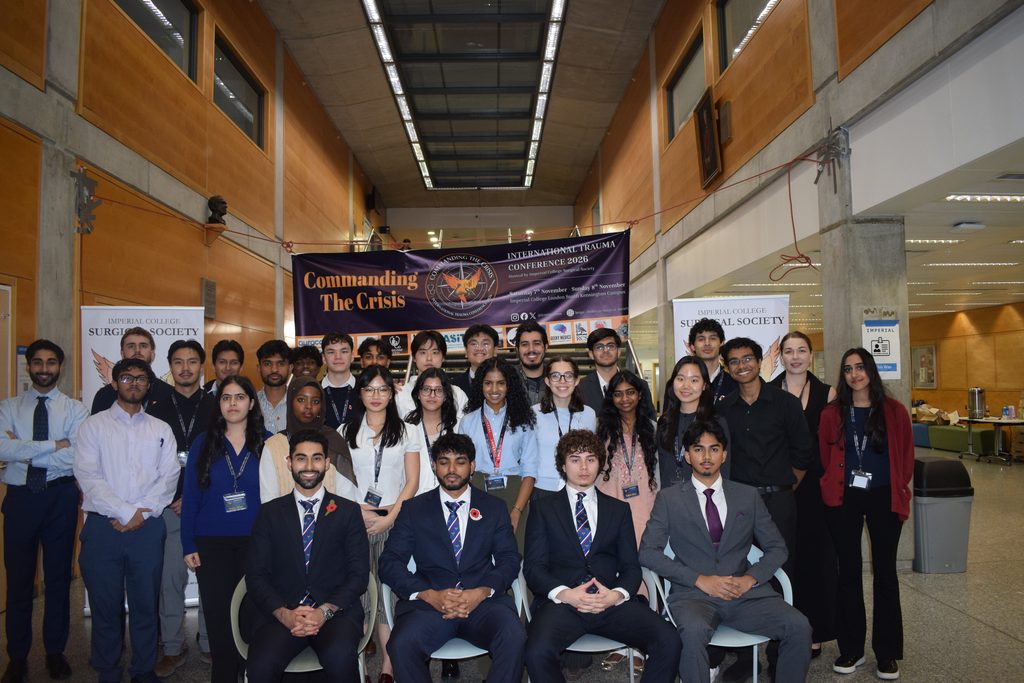
For over two decades, Imperial College London’s International Trauma Conference, organised by the Imperial College Surgical Society, has brought together hundreds of medical students, healthcare professionals and leading experts in trauma and emergency medicine. Now celebrating its 21st anniversary, the conference has grown into an annual flagship event, allowing students to explore an area of medicine that can otherwise feel quite distant from the medical school curriculum.
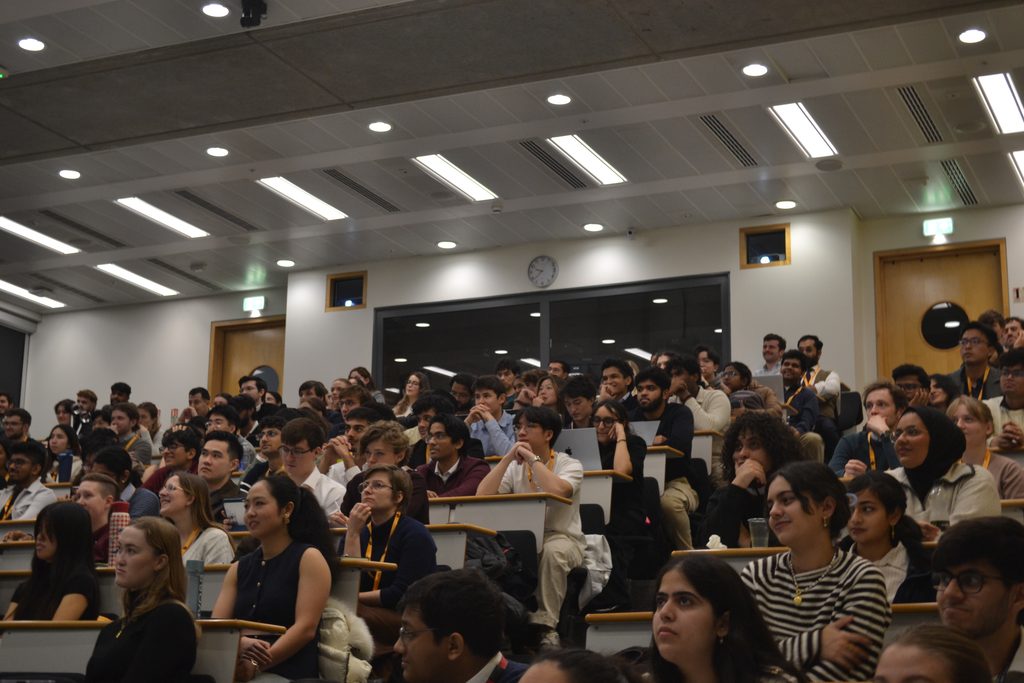
This year’s theme, ‘Commanding the Crisis’ focused on managing trauma in high-pressure and rapidly evolving situations. With speakers from a range of backgrounds, including leading consultants from major trauma centres and military medical personnel, the weekend offered plenty of opportunities to think about what it really takes to manage a crisis.
The first International Trauma Conference was inspired by the Advanced Trauma Life Support (ATLS) course, with the aim of making trauma and emergency medicine more accessible to medical students earlier in their training. What initially started as an opportunity to introduce students to the basics of trauma management has developed into one of the largest student-led surgical conferences with a programme that extends far beyond lectures.
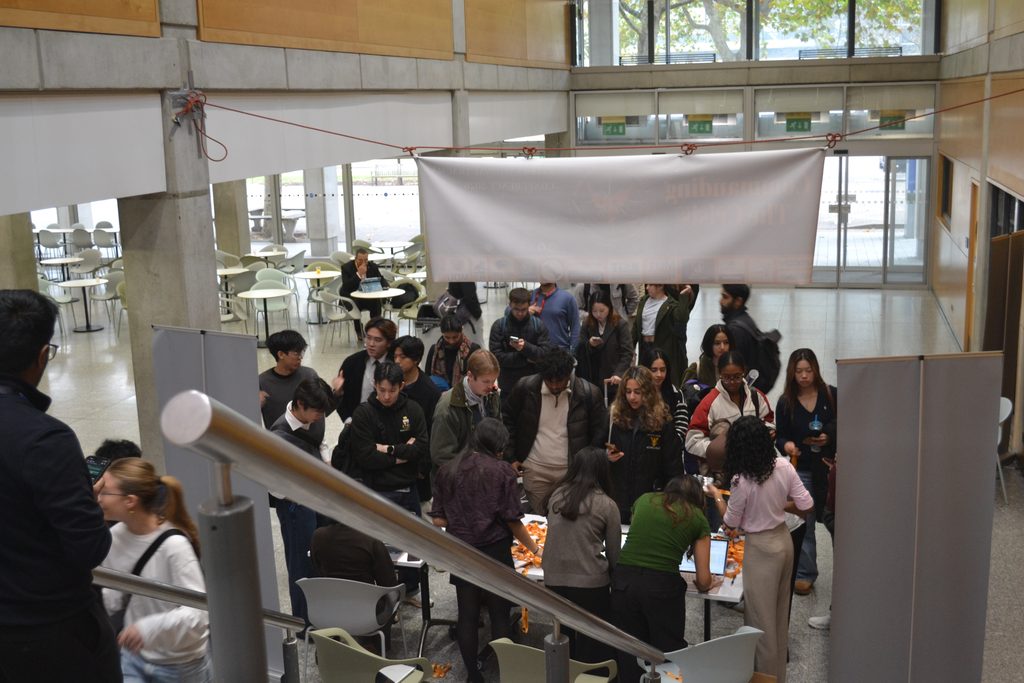
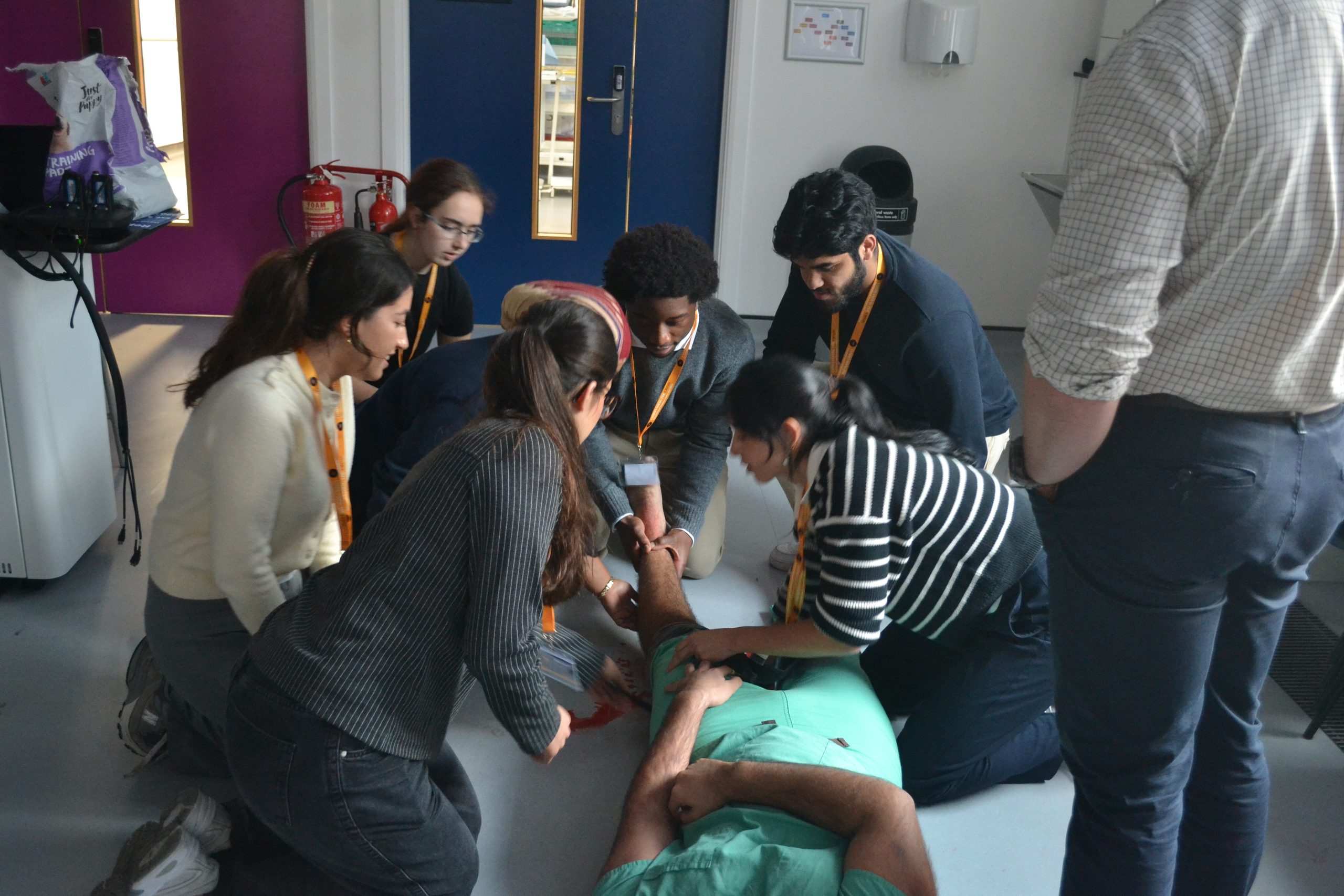
From practical skills workshops to military moulage simulations, the conference continues to find new ways of making trauma education more interactive and accessible. It is a reminder of how much students can gain from learning outside the lecture theatre, particularly in specialties where practical skills and decision-making are key. Wajiha Rahman, a third-year medical student from King’s College London interested in trauma and orthopaedics, explained that “[at medical school] you don’t get these kinds of opportunities, you need to take it into your own hands to explore them extra-curricularly.”
One of the most distinctive aspects of this year’s conference was its focus on military trauma. Although military and civilian trauma systems operate in very different environments, they share many of the same fundamental principles: prioritising the stabilisation of patients, managing multiple injuries and making difficult decisions when time and resources are limited. One message came through particularly clearly, perfectly captured by Ms Maryam Alfa Wali: “Trauma has always been and will always be a team sport.” This sentiment was echoed throughout the weekend. With medical school sometimes feeling like an endless cycle of exams and constantly trying to stay one step ahead, it was refreshing to be reminded that some of the most important aspects of medicine are inherently collaborative.
During the military panel, Major General Phil Carter, the Surgeon General of the British Army, joined Major Ben Ringrose and Captain Tom Howe in emphasising that effective teamwork cannot simply be expected to happen when a crisis arises. Instead, it needs to be built beforehand, by fostering strong relationships and creating an inclusive environment. It was particularly interesting to consider how much of managing a crisis happens before one even begins.
Ultimately, what stood out throughout the weekend was that managing trauma requires far more than simply knowing how to manage an injury. It requires clinical judgement, adaptability and, above all, the ability to work effectively as part of a team. For medical students, opportunities like the International Trauma Conference offer a chance to explore these skills beyond the lecture theatre, learn from experts working on the frontline and gain a better appreciation of a specialty that we might otherwise have limited exposure to.